Rockford and Loves Park have no shortage of homes with real history - century-old bungalows, mid-century ranches, farmhouses that predate the subdivisions around them. Flooring those homes well means working with their quirks, not fighting them. Here's what that looks like in practice.
What's Actually Under That Old Carpet?
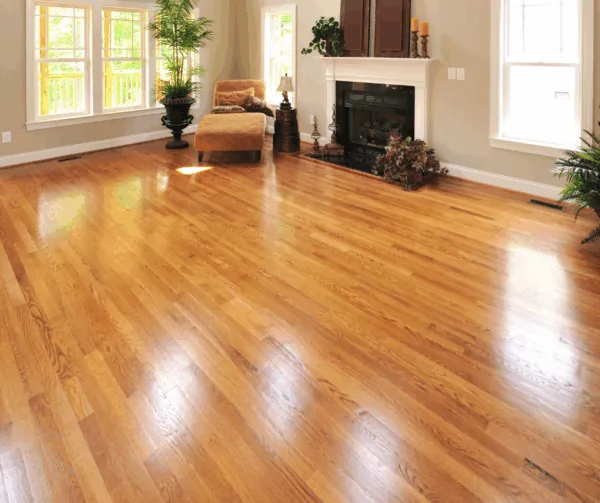
It's one of our favorite discoveries on older jobs - a homeowner assumes they need all-new flooring, and it turns out there's solid original hardwood underneath, just waiting on a refinish instead of a full replacement. It's always worth checking before committing to a bigger project.
Common Challenges in Older Homes
- Settled or uneven subfloors that need leveling compound before new flooring can go down flat.
- Original trim and baseboards that require careful, custom-fit transitions rather than off-the-shelf pieces.
- Plaster walls and older door frames that leave less clearance than modern construction.
- A mix of flooring heights between rooms from past partial renovations.
Matching Materials to an Older Home's Character
New construction can handle almost any material without much thought. Older homes reward a bit more care.
| Situation | Recommended Approach |
|---|---|
| Original hardwood in decent shape | Refinish rather than replace |
| Uneven subfloor | Level first, then luxury vinyl plank or engineered hardwood |
| Basement never finished | Waterproof LVP or tile with proper vapor barrier |
| Mixed flooring heights | Transition strips or matched underlayment thickness |
Curious what your older home's floors can handle?
Schedule your free in-home estimateLocal Experience, Room by Room
We've worked in enough of Rockford's older housing stock to know what's usually hiding under the surface - and how to plan around it instead of being surprised by it mid-project. Reach out for a free in-home estimate and we'll tell you honestly what your home needs, backed by 0% financing for 60 months if you'd like to spread out the cost.